
"Norway imports"
400 article(s) found

Introduction of global boutique coffee producing area Suriname
Suriname (Surinam) was the first country in South America to grow coffee. The Dutch who settled in Suriname in 1667 introduced coffee trees from Java in the early 18th century. The first coffee trees were given by the mayor of Amsterdam to a Flemish pirate, a Hansback. To be exact, these coffee trees were planted in the Dutch Gui at that time.
Basic knowledge of boutique coffee coffee from Suriname
Suriname (Surinam) was the first country in South America to grow coffee. The Dutch who settled in Suriname in 1667 introduced coffee trees from Java in the early 18th century. The first coffee trees were given by the mayor of Amsterdam to a Flemish pirate, a Hansback. To be exact, these coffee trees were planted in the Dutch Gui at that time.

Suriname Coffee introduction to the origin of Suriname coffee
Suriname (Surinam) was the first country in South America to grow coffee. The Dutch who settled in Suriname in 1667 introduced coffee trees from Java in the early 18th century. The first coffee trees were given by the mayor of Amsterdam to a Flemish pirate, a Hansback. To be exact, these coffee trees were planted in the Dutch Gui at that time.

Boutique coffee bean producing countries introduce coffee from Suriname
Suriname (Surinam) was the first country in South America to grow coffee. The Dutch who settled in Suriname in 1667 introduced coffee trees from Java in the early 18th century. The first coffee trees were given by the mayor of Amsterdam to a Flemish pirate, a Hansback. To be exact, these coffee trees were planted in the Dutch Gui at that time.

Global coffee producing area-Suriname boutique coffee beans
Suriname (Surinam) was the first country in South America to grow coffee. The Dutch who settled in Suriname in 1667 introduced coffee trees from Java in the early 18th century. The first coffee trees were given by the mayor of Amsterdam to a Flemish pirate, a Hansback. To be exact, these coffee trees were planted in the Dutch Gui at that time.

Global coffee producing area-Suriname coffee market
Suriname (Surinam) was the first country in South America to grow coffee. The Dutch who settled in Suriname in 1667 introduced coffee trees from Java in the early 18th century. The first coffee trees were given by the mayor of Amsterdam to a Flemish pirate, a Hansback. To be exact, these coffee trees were planted in the Dutch Gui at that time.

Characteristics of Suriname Coffee from Global Coffee producing area
Suriname (Surinam) was the first country in South America to grow coffee. The Dutch who settled in Suriname in 1667 introduced coffee trees from Java in the early 18th century. The first coffee trees were given by the mayor of Amsterdam to a Flemish pirate, a Hansback. To be exact, these coffee trees were planted in the Dutch Gui at that time.

The challenge of developing coffee industry in Nicaragua
According to official sources, Nicaragua will convene an international research conference on the 18th to examine the various challenges faced by the country's coffee industry. The local official media reported that this activity, named the first international competition of "the Challenge of the Coffee Industry," will invite experts from Brazil and Guardia to participate. According to official statistics, Nicaragua in the last harvest year (201)

Boutique coffee Santa Clara, Panama coffee producing area
The microclimate of the Panamanian highlands is the most important resource that makes Panamanian coffee unique. The most important resource that makes Panamanian coffee unique is its microclimate. The east-west environment of the Republic of Panama allows cold air to flow through the Central Mountains and converge above 6500 feet, creating a variety of microclimates in the Boquete and Volcn Candela regions.

Panamanian coffee treatment method for fine coffee washing
The microclimate of the Panamanian highlands is the most important resource that makes Panamanian coffee unique. The most important resource that makes Panamanian coffee unique is its microclimate. The east-west environment of the Republic of Panama allows cold air to flow through the Central Mountains and converge above 6500 feet, creating a variety of microclimates in the Boquete and Volcn Candela regions.

Panama Coffee Estate Elieta Estate Coffee Bean Coffee
The microclimate of the Panamanian highlands is the most important resource that makes Panamanian coffee unique. The most important resource that makes Panamanian coffee unique is its microclimate. The east-west environment of the Republic of Panama allows cold air currents to flow through the central mountains and converge above 6500 feet, thus creating a variety of microclimates in the Boquete and Volcn Candela regions.
Panamanian Pokuet Panamanian Rosa Coffee exquisite Panamanian Flower Butterfly Coffee
Panama is a small country located in the center of the American continent. The waters of the Atlantic and Pacific oceans flood its beaches. Panama is located at 9 degrees north latitude, the meeting point of the Central Mountains, where Mount Baru, one of the highest volcanoes in Central America, is located. Baru volcano has an altitude of more than 11400 feet, and the land around it is rich in nutritious and fertile soil, which is unique to Panama.

Boutique coffee Panamanian coffee origin Panamanian coffee practice
The microclimate of the Panamanian highlands is the most important resource that makes Panamanian coffee unique. The most important resource that makes Panamanian coffee unique is its microclimate. The east-west environment of the Republic of Panama allows cold air to flow through the Central Mountains and converge above 6500 feet, creating a variety of microclimates in the Boquete and Volcn Candela regions.

Boutique coffee Panamanian coffee origin Panamanian coffee practice
The microclimate of the Panamanian highlands is the most important resource that makes Panamanian coffee unique. The most important resource that makes Panamanian coffee unique is its microclimate. The east-west environment of the Republic of Panama allows cold air to flow through the Central Mountains and converge above 6500 feet, creating a variety of microclimates in the Boquete and Volcn Candela regions.

Boutique coffee Panamanian coffee origin Panamanian coffee practice
The microclimate of the Panamanian highlands is the most important resource that makes Panamanian coffee unique. The most important resource that makes Panamanian coffee unique is its microclimate. The east-west environment of the Republic of Panama allows cold air to flow through the Central Mountains and converge above 6500 feet, creating a variety of microclimates in the Boquete and Volcn Candela regions.
What are the coffee beans in Ethiopia's export single-product coffee market About African Coffee
Coffee is Ethiopia's most important export cash crop and the main source of foreign exchange earnings. Ethiopia's coffee exports account for about 3% of the world market share, making it the eighth largest coffee exporter in the world. Coffee exports increased steadily from 58,000 tons in 1990-1991 to 110,000 tons in 1995 - 1996 and remained at that level for the next few years. 2
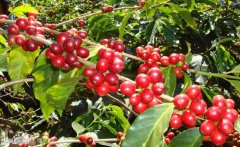
Panamanian coffee growing environment unique coffee Panamanian coffee flavor and texture
Panama is a small country located in the center of the American continent. The waters of the Atlantic and Pacific oceans flood its beaches. Panama is located at 9 degrees north latitude, the meeting point of the Central Mountains, where Mount Baru, one of the highest volcanoes in Central America, is located. Baru volcano has an altitude of more than 11400 feet, and the land around it is rich in nutritious and fertile soil, which is unique to Panama.

Boutique coffee Panamanian coffee manor Panamanian coffee producing area
The microclimate of the Panamanian highlands is the most important resource that makes Panamanian coffee unique. The most important resource that makes Panamanian coffee unique is its microclimate. The east-west environment of the Republic of Panama allows cold air to flow through the Central Mountains and converge above 6500 feet, creating a variety of microclimates in the Boquete and Volcn Candela regions.

Boutique coffee Santa Clara, Panama coffee producing area
The microclimate of the Panamanian highlands is the most important resource that makes Panamanian coffee unique. The most important resource that makes Panamanian coffee unique is its microclimate. The east-west environment of the Republic of Panama allows cold air to flow through the Central Mountains and converge above 6500 feet, creating a variety of microclimates in the Boquete and Volcn Candela regions.

Boutique Coffee Panamanian Coffee Variety Kaduai, Kaddura, 30% Rosa
The microclimate of the Panamanian highlands is the most important resource that makes Panamanian coffee unique. The most important resource that makes Panamanian coffee unique is its microclimate. The east-west environment of the Republic of Panama allows cold air to flow through the Central Mountains and converge above 6500 feet, creating a variety of microclimates in the Boquete and Volcn Candela regions.